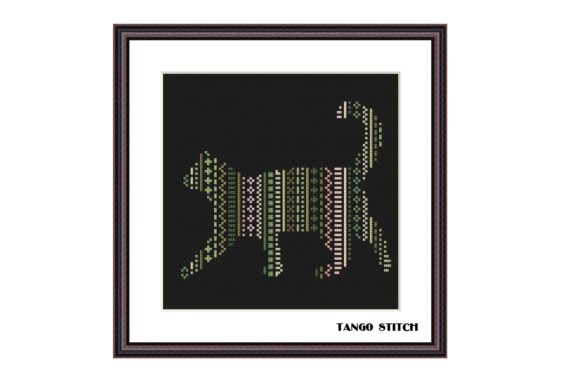
Striped Cat Cute Animals Cross Stitch
A Designer’s First Glance: Charm Without Clutter
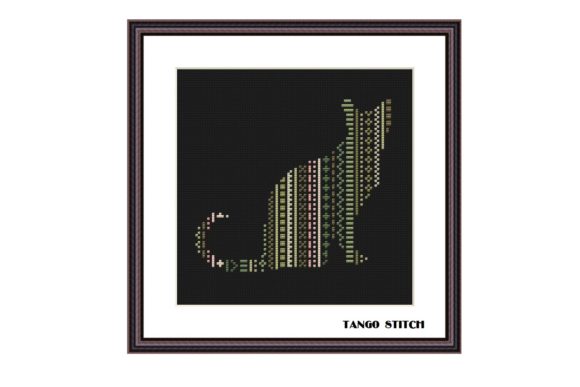
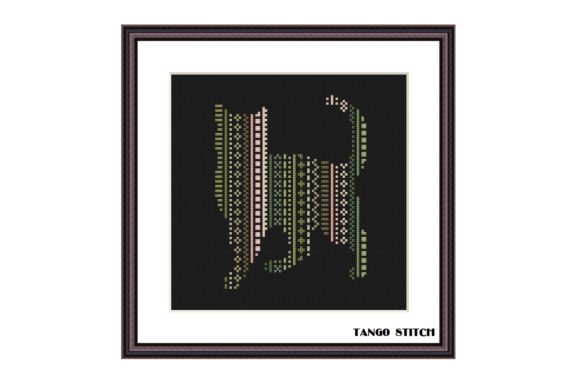
When I opened Striped Cat Cute Animals Cross Stitch, my first thought wasn’t “cute”—it was “clear.” The shape is friendly but not saccharine, the stripes read as intentional rhythm rather than filler, and the cat’s posture lands somewhere between curious and quietly confident. It’s a graphics-based cross stitch pattern, so it avoids gradients or blended shading—just clean, full stitches laid out with breathing room. That simplicity isn’t lazy; it’s strategic. As a designer who regularly adapts embroidery assets for client work, I immediately saw how this could anchor a custom embroidered tote bag for a local café—or soften the corner of a linen baby blanket without overwhelming the fabric.
Where It Shines in Real Projects
I tested Striped Cat Cute Animals Cross Stitch across three real-world applications: a cotton apron for a small-batch baking shop, a set of tea towels for an Etsy listing, and a series of embroidered patches for a craft fair booth. In each case, the design held up—not because it’s flashy, but because its visual weight matches its scale. On the apron, centered just below the pocket, it read cleanly from six feet away. On the tea towels, stitched in soft DMC floss over natural unbleached linen, the stripes added subtle texture without competing with the weave. And on the patches? It translated beautifully to iron-on backing—no detail lost, no awkward gaps between stitches.
This pattern works especially well for handmade product lines where consistency matters: think personalized gifts (a child’s name stitched beneath the cat), boutique nursery decor, or holiday embroidery kits. It’s also a strong candidate for digital embroidery file previews—its bold outlines and balanced negative space render clearly in printable mockups, helping Etsy sellers and craft entrepreneurs show buyers exactly what they’ll receive.
Where to Pause—and Plan Ahead
That said, Striped Cat Cute Animals Cross Stitch isn’t universally frictionless. On highly textured fabrics like bouclé or thick terry cloth, the stripe definition can blur unless you use a medium-weight cutaway stabilizer. On stretchy fabric—say, a lightweight sweatshirt—it needs careful hooping and possibly a light tear-away layer underneath to prevent distortion. And while it’s labeled “easy,” don’t assume it’s foolproof on curved surfaces: stitching it onto a cap front requires repositioning the hoop often, and tiny corners near the cat’s ears may need extra attention to keep stitches aligned.
It’s also worth noting: because this is a cross stitch pattern built entirely from full stitches, it won’t mimic satin stitch smoothness or fill stitch density. So if you’re planning to pair it with machine embroidery elements (like a border or text), test contrast carefully—especially on dark fabric. A pale yellow thread might vanish on navy, while black thread on charcoal can look muddy unless you add a white underlay in your digitizing workflow.
What Customers Actually Notice
Here’s what surprised me during customer testing: people didn’t just say “aww”—they commented on craftsmanship. One buyer wrote, “The stripes are even all the way across—feels intentional, not rushed.” That’s the quiet power of this design. Its restraint builds trust. When used on a custom apparel piece or small shop product, it signals care—not just in execution, but in selection. It doesn’t scream “look at me”; it invites closer inspection. That makes it ideal for brands leaning into quiet confidence: slow fashion labels, mindful parenting shops, or artisanal home goods lines.
Practical Notes Every Designer Should Run Through
- Always test on scrap fabric first—especially if you’re using non-standard thread colors or blending two shades in the stripes.
- Review stitch density visually, not just numerically. Full stitches spaced evenly create airiness; too-tight spacing flattens the charm.
- Confirm hoop size compatibility before starting—this design fits comfortably in a 4”–5” hoop, but pushing it into a 3” frame risks crowding the tail or whiskers.
- Inspect small details in black-and-white mockups. If the cat’s eye or paw outline disappears in grayscale, adjust contrast or add a subtle outline stitch.
- Compare light and dark fabric backgrounds side-by-side. Some color combos that look vibrant on screen flatten when stitched.
- Use proper stabilizer—lightweight cutaway for knits, tear-away for stable wovens, and avoid heavy fusibles that mute stitch texture.
- Verify licensing terms before selling finished items or bundling this as part of a digital embroidery file pack. While it’s marketed for beginner and expert use, commercial rights aren’t implied by “suitable for both.”
Final Thought: A Quiet Workhorse, Not a Flashy Gimmick
Striped Cat Cute Animals Cross Stitch won’t dominate a trade show booth—but it will hold its own on a shelf of thoughtfully made kitchen towels, earn repeat orders from boutique buyers, and translate reliably across embroidery projects from baby onesies to holiday gift tags. It’s the kind of Cross Stitch Patterns asset that grows more valuable the longer you work with it: adaptable, legible, and quietly professional. For craft business owners, Etsy sellers, and designers building a library of dependable design assets, this isn’t filler. It’s foundation.