90s Era
A Nostalgic Embroidery Design for Real-World Projects
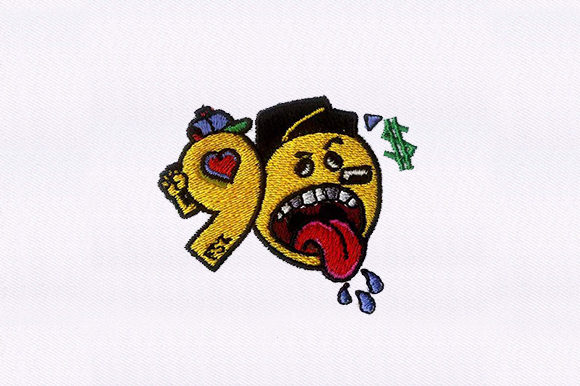
The first thing that catches the eye about 90s Era is its nostalgic vibe. It feels like a time capsule of the 1990s, with bold shapes and retro elements that immediately evoke memories of childhood, fashion, and pop culture. As a designer who works with embroidery files daily, I find this design to be both visually engaging and surprisingly versatile.
The Mood and Visual Personality
90s Era carries a distinct personality—bold, playful, and slightly whimsical. The layout is clean but not too minimal, offering enough detail to make it stand out without overwhelming the fabric. The use of geometric shapes and vintage-inspired patterns suggests it was created with a specific aesthetic in mind: a blend of nostalgia and modern simplicity.
This design seems to work best on items that can carry a bit of character. Think of it as the kind of embroidery you’d see on a vintage T-shirt or a retro-themed tote bag. Its visual appeal is strong, making it a natural fit for custom apparel and personalized gifts.
Real-Life Use Cases
When considering how 90s Era would perform in real-life projects, I immediately think of a few scenarios. For example, if I were preparing a custom embroidered tote bag for a local craft fair, this design would add a unique touch. It could also work well on a baby’s onesie or a sweatshirt for a young boy, adding a fun and trendy element to everyday wear.
Another possibility is using it on an embroidered patch. The design’s clarity and detail make it ideal for small-scale applications where every stitch counts. It could also be used on a cap or a hat, especially if the fabric has a textured surface that complements the design’s shape.
For those looking to create holiday gifts or seasonal products, 90s Era offers a nostalgic twist that can set your handmade product apart from the rest. It’s the kind of design that customers might recognize instantly and appreciate for its charm.
Considerations for Practical Use
While 90s Era looks great on paper, there are a few practical considerations to keep in mind before stitching it onto fabric. First, the design may not be ideal for very small hoop sizes. The level of detail requires a decent amount of space to ensure clarity and stitch density remain consistent.
Additionally, when working with thin or stretchy fabrics, it’s important to test the design on scrap fabric first. This helps identify any potential issues with thread color contrast or stitch density. Dark fabrics can also pose challenges, so checking the design in black and white mockups is a good idea before committing to a final product.
If you're planning to use 90s Era on layered garments or curved surfaces like caps, make sure to use proper stabilizer to prevent puckering and distortion. The design’s intricate details and dense stitch areas require careful handling to maintain their integrity during the embroidery process.
Design Impact and Brand Consistency
From a branding perspective, 90s Era offers a unique opportunity to connect with customers through nostalgia. It’s the kind of design that can become a signature piece for a small shop or Etsy seller, helping to build brand recognition and customer loyalty.
However, it’s important to consider how the design affects the overall value of the finished product. A well-executed embroidery can elevate a simple item into something special, while a poorly executed one can diminish the perceived quality. Ensuring that the design aligns with your brand’s aesthetic is key to maintaining consistency across all your handmade products.
Practical Designer Notes
- Test the design on scrap fabric first to assess stitch density, thread contrast, and overall appearance.
- Check thread color contrast against different fabric backgrounds to ensure visibility.
- Review stitch density to avoid over-stitching or under-stitching, which can affect the design’s clarity.
- Confirm hoop size to ensure the design fits properly and stitches cleanly.
- Inspect small details such as lettering and corners to ensure they’re clear and legible.
- Use proper stabilizer to prevent puckering and distortion, especially on delicate or stretchy fabrics.
- Test the design in black and white mockups to evaluate its structure and composition.
- Compare light and dark fabric backgrounds to determine the best color scheme for your project.
- Check licensing terms before selling finished items or digital products to avoid legal issues.
Final Thoughts on 90s Era
In conclusion, 90s Era is a design that balances nostalgia with practicality. It’s a great choice for those looking to create meaningful, recognizable products that resonate with both personal and commercial audiences. Whether you're an Etsy seller, a small shop owner, or a hobbyist, this design offers a unique opportunity to bring a piece of the past into the present.
With the right preparation and attention to detail, 90s Era can become a standout feature in your embroidery portfolio. Just remember to always test, adjust, and refine before moving to the final product. After all, the goal is to create something that not only looks great but also stands the test of time.