Greeting Card Embroidery
First Impressions: A Design for Branding and Merchandise
The Greeting Card Embroidery immediately catches the eye with its playful yet elegant vibe. The design feels handmade, which aligns well with small business branding that values authenticity and creativity. The repeated phrase “Hello I really love to draw. I present to you my illustrations” adds a personal touch, suggesting a designer who is passionate about their craft. This emotional resonance can be powerful for brand identity, especially in creative industries.
Visual Personality and Brand Identity
The Greeting Card Embroidery carries a friendly and artistic personality. It’s not overly bold or minimal, making it versatile for different applications. The illustration style suggests a balance between modern and classic, which can appeal to a wide range of audiences. For small businesses looking to build a recognizable brand, this design offers a strong visual foundation that can be adapted across multiple product lines.
Embroidered Patches and Brand Accents
The Greeting Card Embroidery could work well as an embroidered patch, particularly for boutique merchandise or customer gifts. Its detailed illustrations make it suitable for larger patches where texture and detail are visible. However, when scaled down for smaller patches, the design may lose some clarity. Testing the design at small sizes is essential before production.
Caps and Apron Embroidery
This design has potential for cap embroidery, especially on curved surfaces like the front of a baseball cap. The illustrations can add a unique flair to custom apparel without overwhelming the wearer. Similarly, apron embroidery could benefit from the Greeting Card Embroidery, offering a subtle yet meaningful accent to everyday wear.
Tote Bag Design and Product Packaging
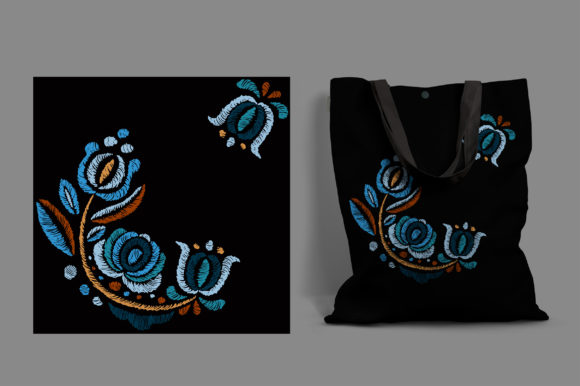
The Greeting Card Embroidery could serve as a tote bag design or a packaging accent. Its illustrative nature makes it ideal for branded products that aim to stand out visually. When applied to fabric, the design should be tested for stitch density and thread color contrast to ensure visibility on different fabric types.
Testing and Preparation
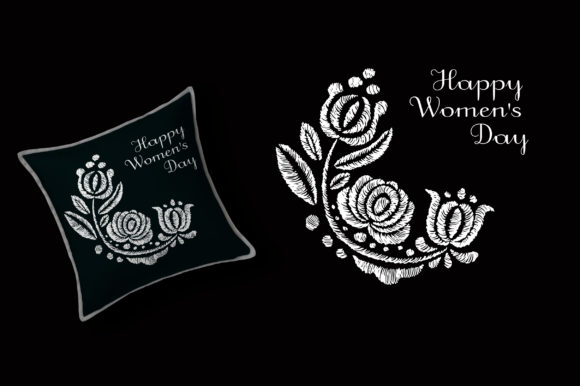
Before using the Greeting Card Embroidery in commercial projects, it’s important to test it in black and white to assess how it performs on various fabric textures. Checking thread color contrast is also crucial, especially when working with dark uniforms or fabrics. Additionally, reviewing spacing and hoop size will help avoid issues during embroidery production.
Fabric Texture and Stitch Density
The Greeting Card Embroidery may require careful consideration of fabric texture. Detailed outlines and textured fabric can affect how the design appears on finished products. High stitch density might be necessary to maintain clarity, but this can impact the overall durability and comfort of the final item.
Practical Embroidery Designer Notes
- Test in black and white first: Ensure the design holds up under different lighting conditions and fabric types.
- Check small patch size compatibility: Confirm the design scales well for smaller applications like patches or labels.
- Review thread color contrast: Select thread colors that provide clear visibility against the intended fabric.
- Inspect spacing and hoop size: Proper spacing ensures even stitching and avoids distortion.
- Test on real fabric: Always conduct a trial run to identify any potential issues before mass production.
- Use proper stabilizer: Stabilizers help maintain fabric integrity during embroidery, especially with detailed designs.
- Create a printable mockup: Share a digital version with clients for approval before proceeding with embroidery files.
- Compare with other design assets: Ensure the Greeting Card Embroidery aligns with the brand’s overall visual identity.
- Confirm commercial licensing: Verify that the design is suitable for business use and not restricted to personal projects.
Impact on Brand Recognition and Customer Trust
The Greeting Card Embroidery can significantly enhance brand recognition by offering a unique and memorable visual element. When used consistently across products like caps, aprons, and tote bags, it helps create a cohesive brand image. Customers are more likely to trust a brand that presents itself professionally and thoughtfully, especially when the design reflects the company’s values and mission.
Conclusion: A Versatile Design for Small Business Merch
The Greeting Card Embroidery is a versatile design that can be adapted for a variety of small business merch applications. From embroidered patches to custom apparel, it offers a blend of creativity and professionalism that appeals to both customers and brands. With proper preparation and testing, this design can become a valuable asset in building a strong, recognizable brand presence.